Best Face Serums: Your Ultimate Guide
Looking for Best Face Serums? I get it.
You’re standing in the skincare aisle completely lost.
There are hundreds of bottles promising miracles.
And honestly, most of them are garbage.
So let me save you the headache and show you what actually works when it comes to finding the best face serums for your skin.
Why Most People spend Money on Best Face Serums
Here’s the truth nobody tells you.
Most people buy serums based on pretty packaging.
Or because some influencer got paid to promote it.
Meanwhile, your skin is screaming for what it actually needs.
And that’s where everything falls apart.
The reality is simple: you need to match the serum to your actual skin problem.
Not your Instagram feed.
What Makes a Face Serum Actually Work
Let’s break this down.
A serum is just a concentrated delivery system.
Think of it like this: if your moisturizer is a bus, your serum is a sports car.
It gets the active ingredients into your skin faster and deeper.
But here’s the catch.
The ingredients matter more than anything else.
So instead of chasing brands, you should be chasing what’s actually in the bottle.
The Only Ingredients You Need to Know
Forget the fancy marketing terms.
Here’s what actually moves the needle:
Anti-Aging:
- Retinol (the gold standard, period)
- Vitamin C (fades spots and boosts collagen)
- Peptides (think of them as protein building blocks)
- Niacinamide (reduces fine lines and evens tone)
Hydration:
- Hyaluronic acid (holds 1000x its weight in water)
- Glycerin (pulls moisture from the air)
- Ceramides (seals everything in)
Acne:
- Salicylic acid (unclogs pores like nothing else)
- Niacinamide (calms inflammation)
- Azelaic acid (fights bacteria and fading)
Consequently, you can stop wasting time on miracle extracts that don’t do anything.
How I Finally Found Serums That Work
Let me tell you a quick story.
I spent three years buying every serum under the sun.
My bathroom looked like a Sephora exploded.
Nothing worked.
Then I realized something stupid simple: I was solving the wrong problems.
I was buying anti-aging serums when my real issue was dehydration.
As a result, my skin just got more irritated.
Once I matched the ingredient to my actual problem, everything changed.
Within two weeks, my skin looked completely different.
The Best Face Serums by Skin Goal
For Glowing Skin
You want that lit-from-within look?
Start with Vitamin C serum in the morning.
It brightens, protects from pollution, and fades dark spots.
Furthermore, it pairs perfectly with your sunscreen.
Look for 10-20% concentration.
Anything less won’t do much.
Anything more might irritate.
For Dry, Dehydrated Skin
This one’s easy.
Hyaluronic acid is your best friend.
Use it on damp skin right after cleansing.
Then immediately lock it in with moisturizer.
Otherwise, it can actually pull moisture out of your skin.
Additionally, layer it with a ceramide serum at night for next-level hydration.
For Fine Lines and Wrinkles
Here’s where retinol becomes non-negotiable.
Start slow—two nights a week.
Work up to every other night, then nightly if your skin tolerates it.
Also, always use it at night because sunlight deactivates it.
Moreover, pair it with a good moisturizer to minimize irritation.
And for the love of your skin, wear sunscreen every single day.
For Acne and Breakouts
Salicylic acid is the MVP here.
It gets into your pores and cleans them out.
Use it in the morning or night, depending on your routine.
However, don’t combine it with retinol when you’re just starting out.
That’s a recipe for angry, peeling skin.
Instead, alternate nights until your skin builds tolerance.
For Dark Spots and Uneven Tone
You need a combination approach.
Vitamin C in the morning (brightening and protection).
Niacinamide at night (fades spots and calms inflammation).
In addition, consider adding azelaic acid if you’re dealing with stubborn hyperpigmentation.
This combo is honestly unbeatable for evening out skin tone.
How to Actually Use Best Face Serums (Without Screwing It Up)
Most people mess this up.
So here’s the exact order:
- Cleanse your face (duh)
- Apply toner (if you use one)
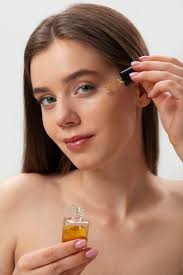
- Put on your serum (2-3 drops is enough)
- Wait 60 seconds (let it absorb)
- Apply moisturizer (seal everything in)
- Sunscreen (if it’s morning)
Therefore, you’re building layers from thinnest to thickest.
And never skip the waiting step.
Your serum needs time to penetrate before you pile on moisturizer.
Common Mistakes That Kill Your Results
Mistake #1: Using too much
More is not better.
A little goes a long way with serums.
You’re just wasting product and money otherwise.
Mistake #2: Mixing incompatible ingredients
Retinol + Vitamin C = irritation city.
Salicylic acid + retinol = peeling nightmare.
Instead, use one in the morning and one at night.
Mistake #3: Expecting overnight miracles
Real results take 4-6 weeks minimum.
Sometimes up to 3 months for anti-aging ingredients.
Stick with it.
Mistake #4: Not patch testing
New serum? Test it on your inner arm first.
Wait 24 hours.
Consequently, you avoid a full-face disaster.
When to Use Each Serum (AM vs PM)
Morning routine:
- Vitamin C (protection and brightness)
- Niacinamide (if not using at night)
- Hyaluronic acid (hydration boost)
Night routine:
- Retinol (cell turnover and anti-aging)
- Salicylic acid (deep pore cleaning)
- Peptides (repair while you sleep)
Furthermore, always follow with appropriate moisturizer and never skip morning SPF.
How to Know If Your Serum Is Actually Working
Look for these signs after 4-6 weeks:
- Smoother texture (you’ll feel it when you touch your face)
- More even tone (dark spots start fading)
- Better hydration (skin feels plump, not tight)
- Fewer breakouts (if using acne serums)
- Reduced fine lines (with consistent retinol use)
On the other hand, if you’re seeing redness, burning, or worsening breakouts, stop using it.
Not every serum works for every person.
Frequently Asked Questions about Best Face Serums
Q: Can I use multiple serums at once?
Yes, but be smart about it.
Layer them from thinnest to thickest consistency.
However, avoid mixing actives that don’t play well together (like retinol and vitamin C).
Instead, use one in the morning and one at night.
Q: How long does a serum bottle last?
Usually 2-3 months if you’re using 2-3 drops twice daily.
Therefore, that $40 bottle isn’t as expensive as it seems.
Q: Do I need different serums for different seasons?
Not necessarily.
Although, you might want richer hydration in winter and lighter textures in summer.
Your core ingredients can stay the same.
Q: Can I skip moisturizer if I use a serum?
Absolutely not.
Serums deliver active ingredients but don’t provide enough moisture on their own.
Always seal them in with moisturizer.
Q: At what age should I start using anti-aging serums?
Prevention is easier than correction.
Most dermatologists recommend starting retinol in your mid-to-late 20s.
Nevertheless, it’s never too late to start.
Q: Are expensive serums really better?
Not always.
What matters is the ingredient concentration and formulation.
In fact, many affordable brands have identical active ingredients to luxury ones.
Q: Can I use face serums during pregnancy?
Some yes, some no.
Avoid retinol, salicylic acid, and certain other actives.
However, vitamin C, hyaluronic acid, and niacinamide are generally safe.
Always check with your doctor first.
The Bottom Line on Best Face Serums
Here’s what you need to remember.
The best face serums aren’t the ones with the fanciest packaging.
They’re the ones that match your actual skin concerns.
Start with one serum that targets your biggest problem.
Master that before adding more to your routine.
Furthermore, give it time to work before switching to something else.
And most importantly, consistency beats perfection every single time.
Pick your serum, stick with it, and watch your skin transform.